
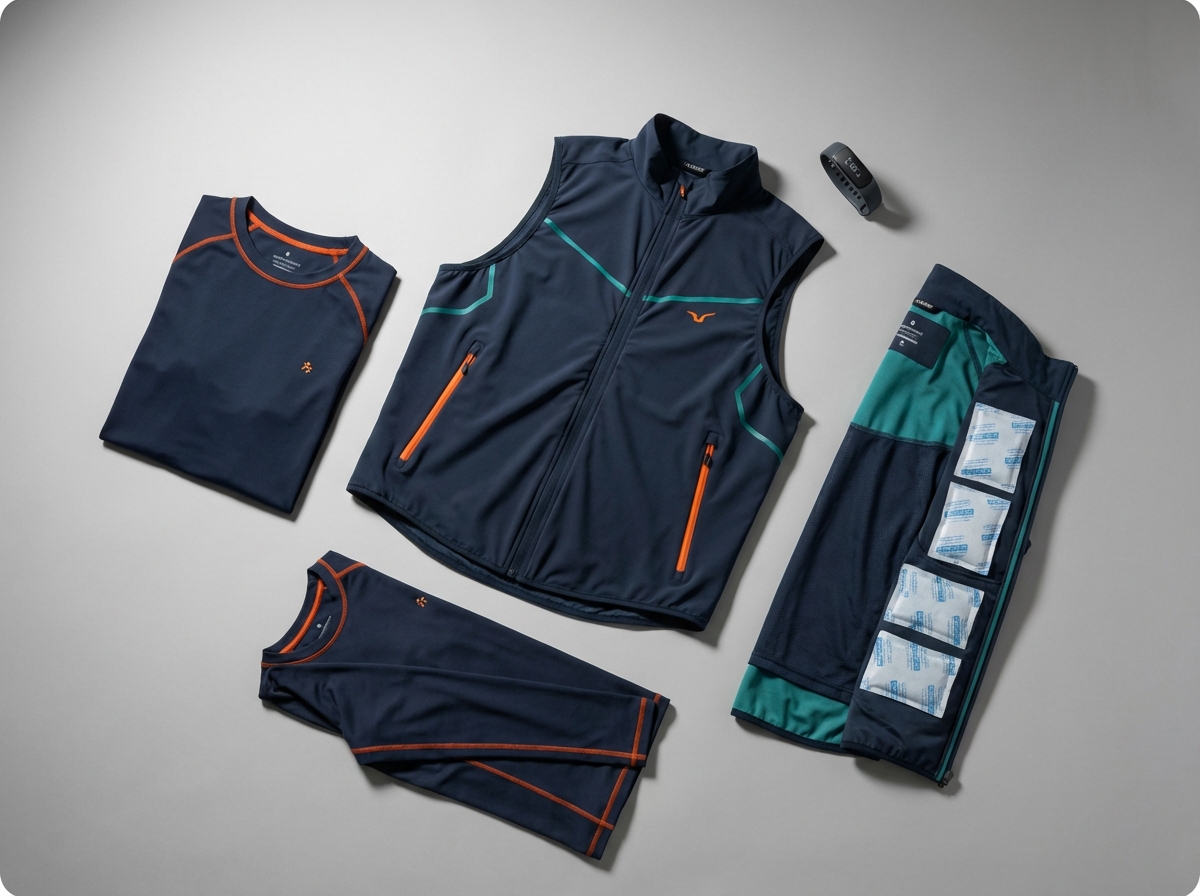

You know the feeling. It's 6:45 AM on a bluebird powder day. You're skinning up the ridge, poles biting into fresh snow, and you're already soaking through your base layer. Twenty minutes later, you'll be standing at the top, wind-chill making you shiver in your sweat-drenched shirt. You'll peel off a layer, stuff it in your pack, then put it back on when you stop moving again.
This is the layer problem. And it's existed for as long as humans have ventured outside in changing temperatures.
"The body is always trying to regulate. The problem is that clothing doesn't know what the body is doing."
Why Existing Solutions Fall Short
The performance apparel industry has tried to solve this for decades. Merino wool manages moisture. Softshells offer stretch. Phase-change materials absorb and release heat. Each innovation helps at the margins, but none solves the fundamental problem: passive fabrics can't respond to dynamic conditions.
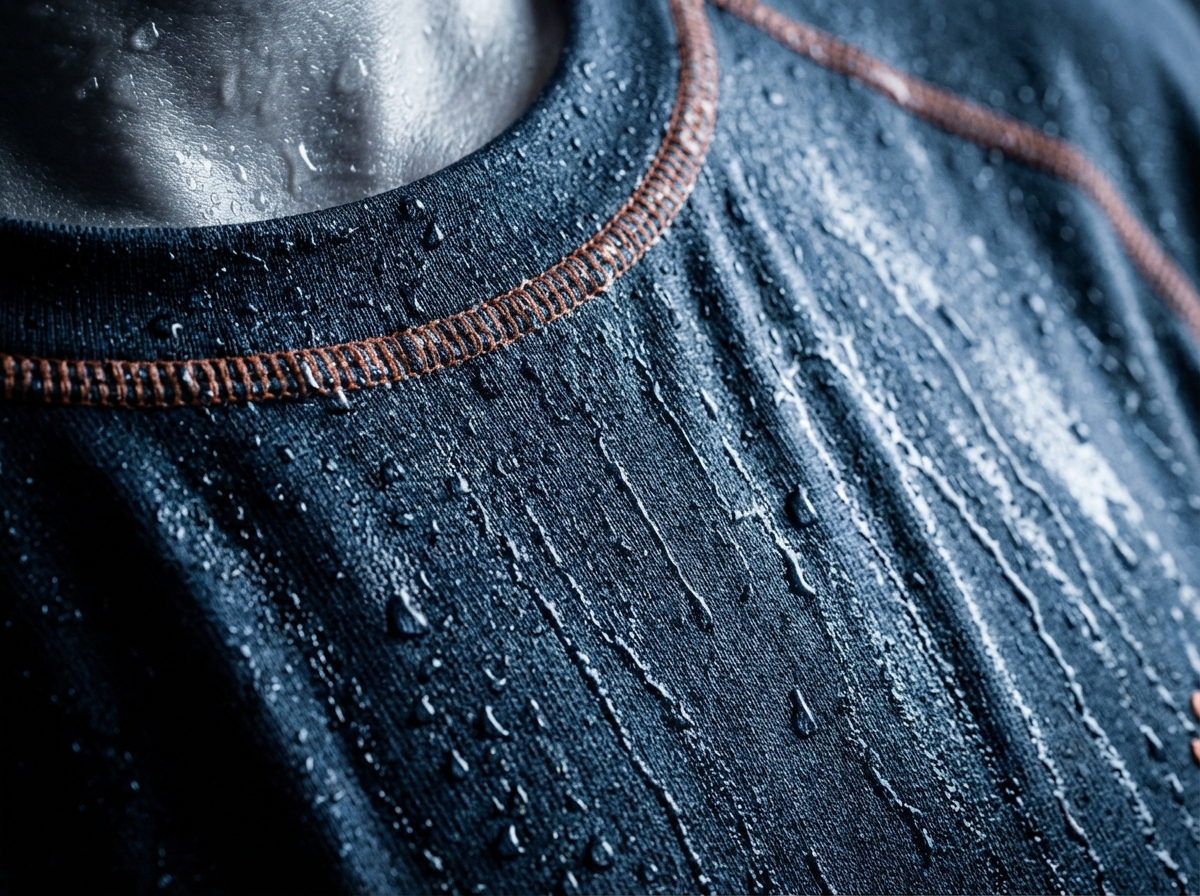
Passive fabrics wick — but they can't adapt to what your body needs next.
What you need isn't a smarter fabric. You need a garment that actively participates in your thermoregulation — one that can both heat and cool on demand, automatically, based on what's actually happening to your body.
The ThermaSync Approach
That's exactly what we built. ThermaSync garments embed biometric sensors that read your core temperature, heart rate, and activity intensity. A small onboard processor interprets that data and adjusts power to micro thermoelectric zones distributed across the garment — adding heat when you need it, pulling it away when you don't.
The result is a base layer that behaves more like a climate control system than a piece of clothing. You skin up the mountain. ThermaSync reads the exertion, cools the zones near your core. You stop at the summit. It senses the stillness, shifts to heating mode before you ever feel the chill.
The layer problem isn't solved by better fabric. It's solved by a garment that listens to your body.